Starting From
₹10,000
₹ 8,499 Per Person
(Extra 5% GST)
- Get PDF
Need Help
Talk To Our Mountain Expert
- +91-9045547711
Valley of Flowers Trek – The Ultimate Himalayan Experience with Himalayan Eco Trekkers
The Indian Himalayas are home to countless natural wonders, but few destinations capture the imagination of travelers like the Valley of Flowers. Hidden high in the Garhwal Himalayas of Uttarakhand, this spectacular alpine valley is a place where nature reveals its most vibrant and magical form. During the monsoon season, the valley transforms into an endless carpet of blooming wildflowers surrounded by snow-clad peaks, misty mountains, glaciers, and sparkling streams.
For trekkers, photographers, botanists, and adventure lovers, the Valley of Flowers is not just a destination—it is an unforgettable journey into one of the most beautiful mountain landscapes on Earth.
Traveling with Himalayan Eco Trekkers makes this experience even more memorable. Their experienced guides, eco-friendly trekking practices, local expertise, and well-planned itineraries help trekkers safely enjoy the breathtaking beauty of this Himalayan paradise.
The Magical Beauty of Valley of Flowers
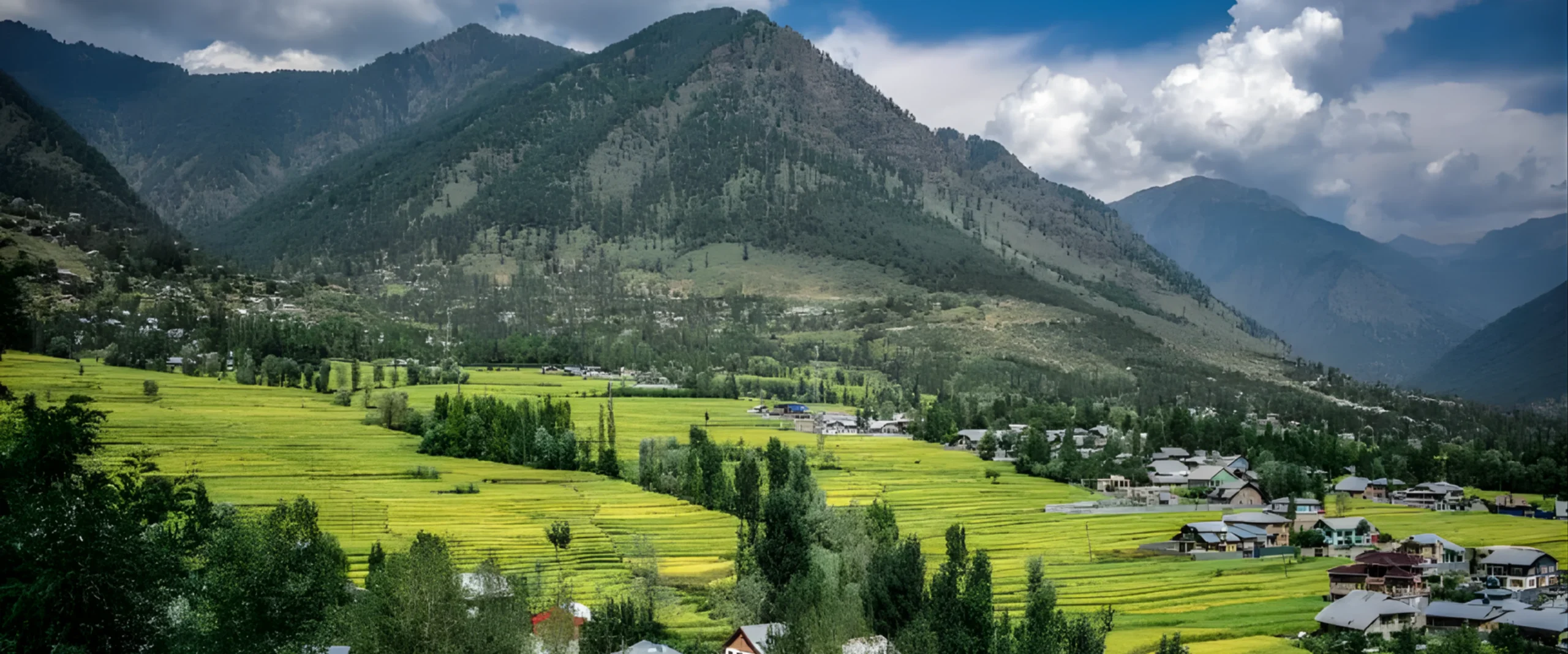
The Valley of Flowers National Park lies in the Chamoli district of Uttarakhand and forms part of the Nanda Devi Biosphere Reserve. Located at an altitude of approximately 3,658 meters above sea level, the valley remains covered in snow for nearly six months every year. As the snow melts during summer, nature awakens dramatically, covering the valley with colorful alpine flowers.
The valley stretches over 87 square kilometers and is surrounded by towering Himalayan peaks, dense forests, glacial rivers, and waterfalls. During peak blooming season, the landscape looks almost unreal, with thousands of flowers swaying under the misty Himalayan skies.
What makes the valley truly extraordinary is the changing pattern of flowers. Different species bloom at different times, meaning the valley continuously changes colors throughout the trekking season. One week the valley may glow with pink primulas, while the next week blue poppies and yellow marigolds dominate the landscape.
This constantly evolving beauty makes every visit unique.
Discovery of the Valley
Although local villagers knew about the valley for centuries, it gained international recognition in 1931 when British mountaineer Frank Smythe accidentally discovered it after returning from an expedition to Mount Kamet.
Smythe was captivated by the immense natural beauty of the flower-filled valley and later wrote about it in his famous book The Valley of Flowers. His writings introduced the hidden Himalayan paradise to the world and inspired countless travelers to explore the region.
Today, the valley is recognized globally as one of India’s most important natural heritage sites and continues to attract trekkers from around the world
UNESCO World Heritage Recognition
The Valley of Flowers National Park received UNESCO World Heritage status due to its exceptional biodiversity and ecological significance. It is considered one of the finest alpine flower regions in the world.
The valley is home to hundreds of species of rare Himalayan flora and several endangered wildlife species. The combination of dramatic landscapes, fragile ecosystems, and rich biodiversity makes the region environmentally significant not only for India but for the entire planet.
Because of its ecological sensitivity, strict conservation rules are followed inside the national park. Camping inside the valley is prohibited, helping preserve its untouched beauty.
Trekking Through the Himalayan Paradise
The Valley of Flowers trek is often considered one of the best beginner-friendly Himalayan treks in India. Unlike extremely difficult high-altitude expeditions, this trek offers extraordinary natural beauty without requiring advanced mountaineering skills.
The journey itself is incredibly scenic. Trekkers walk through charming Himalayan villages, lush forests, suspension bridges, roaring rivers, waterfalls, and mist-covered mountain trails.
Every section of the trek introduces travelers to a different face of the Himalayas.
Journey from Rishikesh to Govindghat
The adventure typically begins from Rishikesh, one of the spiritual gateways to the Himalayas. The long mountain drive to Govindghat is filled with breathtaking landscapes and river confluences known as Prayags.
Travelers pass through:
- Devprayag
- Rudraprayag
- Karnaprayag
- Nandprayag
- Joshimath
The Alaknanda River flows alongside much of the route, creating spectacular views throughout the journey.
The changing landscapes—from plains to deep valleys and towering mountains—slowly prepare trekkers for the Himalayan adventure ahead.
The journey itself is incredibly scenic. Trekkers walk through charming Himalayan villages, lush forests, suspension bridges, roaring rivers, waterfalls, and mist-covered mountain trails.
Every section of the trek introduces travelers to a different face of the Himalayas.
Trek from Govindghat to Ghangaria
The actual trek begins from Govindghat, a small Himalayan settlement located beside the Alaknanda River.
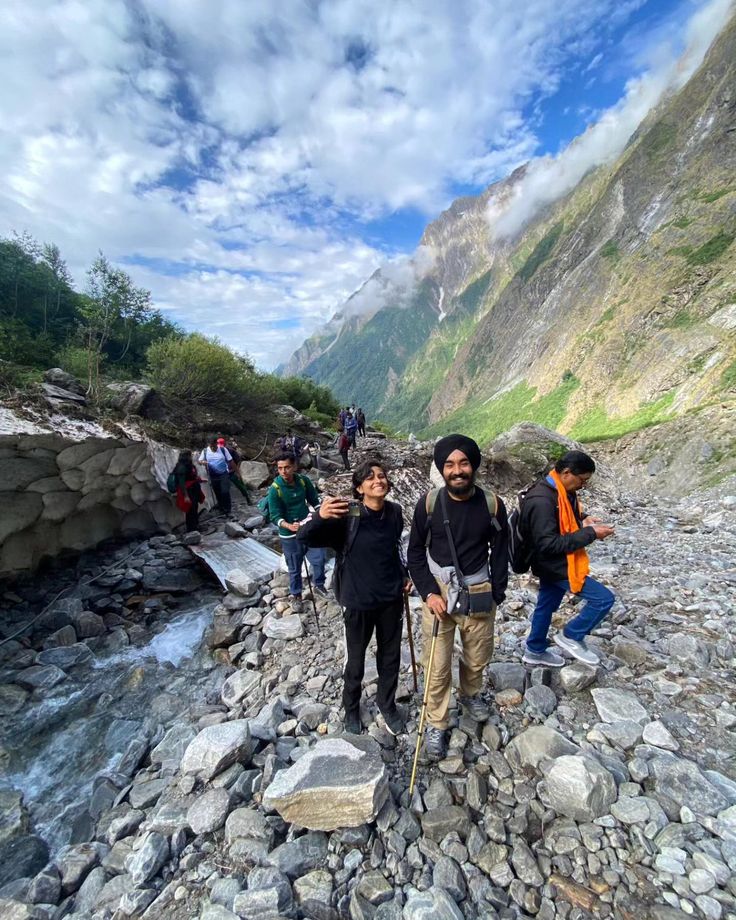
The trail to Ghangaria is around 13 kilometers long and follows the Pushpawati River through forests, waterfalls, tea stalls, and mountain paths.
Trekkers often describe this route as one of the most scenic trekking trails in Uttarakhand.
Highlights include:
- Wooden bridges over roaring rivers
- Dense green forests
- Beautiful waterfalls
- Himalayan birds
- Small mountain tea shops
- Mule caravans carrying supplies
The fresh mountain air and the sound of rivers create an incredibly peaceful trekking atmosphere.
Ghangaria serves as the base camp for both Valley of Flowers and Hemkund Sahib.
Travelers pass through:
- Devprayag
- Rudraprayag
- Karnaprayag
- Nandprayag
- Joshimath
The Alaknanda River flows alongside much of the route, creating spectacular views throughout the journey.
The changing landscapes—from plains to deep valleys and towering mountains—slowly prepare trekkers for the Himalayan adventure ahead.
The journey itself is incredibly scenic. Trekkers walk through charming Himalayan villages, lush forests, suspension bridges, roaring rivers, waterfalls, and mist-covered mountain trails.
Every section of the trek introduces travelers to a different face of the Himalayas.
Famous Flowers Found in the Valley
The Valley of Flowers contains an extraordinary range of Himalayan flowers. Botanists from around the world visit the region to study its rare alpine flora.
Some of the famous flowers include:
Blue Poppy:
One of the most iconic Himalayan flowers known for its striking blue color.
Brahma Kamal:
The state flower of Uttarakhand and one of the most sacred Himalayan flowers.
Cobra Lily:
A rare and unusual flower shaped like a cobra’s hood.
Primulas:
These colorful flowers bloom abundantly during peak season.
Himalayan Bellflower:
Known for its delicate bell-shaped blossoms.
Anemones:
Bright flowers that add vibrant shades across the valley.
Marsh Marigold:
Beautiful yellow flowers commonly found near water streams.
The valley’s floral diversity changes every week, making repeated visits equally rewarding.
Wildlife of the Valley
The Valley of Flowers National Park is not only rich in plant life but also supports several rare Himalayan animals.
Wildlife found in the region includes:
- Himalayan Musk Deer
- Snow Leopard
- Himalayan Black Bear
- Red Fox
- Blue Sheep
- Himalayan Monal
- Himalayan Tahr
Although sightings of large mammals are rare, trekkers frequently encounter birds, butterflies, and smaller wildlife species during the trek.
The untouched ecosystem provides a safe habitat for these animals in the high Himalayas.
Hemkund Sahib – A Sacred Himalayan Pilgrimage
Many trekkers combine the Valley of Flowers trek with a visit to Hemkund Sahib, one of the highest Sikh pilgrimage sites in the world.
Located at approximately 4,329 meters, Hemkund Sahib is surrounded by snow-covered mountains and a stunning glacial lake.
The climb to Hemkund Sahib is steeper and more physically demanding than the Valley of Flowers trail, but the spiritual atmosphere and mountain scenery make it incredibly rewarding.
Pilgrims and trekkers alike find peace in the serene environment surrounding the gurudwara and lake.
Best Time to Explore the Valley of Flowers
The Valley of Flowers is one of the most beautiful trekking destinations in the Indian Himalayas, and choosing the right time to visit plays a major role in the overall experience. Located in the Chamoli district of Uttarakhand, the valley remains covered under snow for most of the year and opens to visitors only during the summer and monsoon months.
Every month in the trekking season offers a different experience. From melting snow and fresh greenery in June to the vibrant bloom of wildflowers in July and August, and crystal-clear mountain views in September, the valley constantly changes its appearance throughout the season.
For trekkers planning an unforgettable Himalayan adventure with Himalayan Eco Trekkers, understanding the seasonal beauty of the Valley of Flowers helps in selecting the perfect time for the journey.
Opening Season of Valley of Flowers
The Valley of Flowers National Park usually opens in early June and remains accessible until early October, depending on weather conditions and snowfall.
However, the most recommended period for visiting the valley is between:
- Mid-July to Mid-August for peak flower blooming
- Late August to September for clear mountain views and peaceful trekking
The valley experiences dramatic seasonal transformations during these months, making every visit unique.
Valley of Flowers in June
Beginning of the Trekking Season:
June marks the beginning of the Valley of Flowers trekking season. During this period, the snow starts melting, rivers become active, and fresh greenery slowly covers the landscape.
Although the valley is not yet filled with flowers in early June, trekkers experience a raw and peaceful Himalayan environment with fewer crowds.
Highlights of Visiting in June:
- Snow patches visible on higher slopes
- Fresh green meadows emerging
- Pleasant trekking weather
- Fewer tourists
- Clear mountain air
- Waterfalls becoming active
The trails remain quiet and peaceful, making June ideal for trekkers who prefer solitude and less crowded routes.
Weather in June:
- Day Temperature: 12°C to 18°C
- Night Temperature: 4°C to 8°C
Weather remains relatively stable compared to peak monsoon months, though occasional rain showers can occur.
Best For:
- Nature lovers
- Peaceful trekking experiences
- Landscape photography
- Beginner trekkers
- Travelers avoiding crowds
Valley of Flowers in July
Start of Peak Blooming Season:
July is when the Valley of Flowers truly begins transforming into a colorful paradise. The monsoon arrives in the Himalayas, bringing life to the valley’s vast alpine meadows.
As rainfall increases, thousands of flowers begin blooming across the valley, creating vibrant carpets of color.
Highlights of Visiting in July:
- Massive flower blooming begins
- Green landscapes become vibrant
- Waterfalls reach full beauty
- Misty Himalayan scenery
- Streams and rivers flow strongly
- Excellent photography opportunities
By mid-July, trekkers can witness several famous Himalayan flowers blooming throughout the valley.
Flowers Commonly Seen in July:
- Blue Poppy
- Primulas
- Anemones
- Marsh Marigold
- Geraniums
- Himalayan Bellflowers
Weather in July:
- Day Temperature: 10°C to 17°C
- Night Temperature: 3°C to 7°C
Rainfall becomes frequent during July, and trekkers should carry waterproof clothing and proper trekking gear.
Challenges of July Trekking:
- Slippery trekking trails
- Frequent rainfall
- Occasional landslides on mountain roads
- Cloud-covered mountain views
Despite the rain, July is one of the most magical times to witness the valley’s floral beauty.
Best For:
- Flower lovers
- Nature photographers
- Adventure seekers
- Monsoon trekking enthusiasts
Valley of Flowers in August
Peak Beauty of the Valley:
August is widely considered the best month to explore the Valley of Flowers. During this period, the valley reaches its peak bloom with maximum floral diversity.
The entire valley appears like a giant natural garden painted with countless shades of pink, yellow, blue, purple, red, and white flowers.
Why August is Special:
- Maximum flower blooming
- Richest floral diversity
- Lush green landscapes
- Dramatic Himalayan scenery
- Best overall trekking experience
- Stunning photography conditions
The combination of colorful flowers, floating clouds, waterfalls, and snow-covered mountains creates a dreamlike atmosphere.
Famous Flowers Blooming in August:
- Brahma Kamal
- Cobra Lily
- Blue Poppy
- Himalayan Rose
- Daisies
- Campanulas
- Pedicularis
The valley changes colors almost every week depending on which flowers are blooming.
Weather in August:
- Day Temperature: 9°C to 16°C
- Night Temperature: 3°C to 6°C
Monsoon remains active, so rain is still common during August.
Trekkers should be prepared for:
- Wet trekking trails
- Muddy paths
- Cloudy weather
- Sudden rain showers
Best For:
- Peak flower photography
- Botanical exploration
- Nature enthusiasts
- First-time Valley visitors
- Social media and travel photography
August offers the most iconic Valley of Flowers experience.
Valley of Flowers in September
Clear Skies and Peaceful Trails:
September brings a completely different beauty to the Valley of Flowers. The monsoon gradually retreats, skies become clearer, and mountain views become sharper.
Although many flowers begin fading by mid-September, the valley still retains its beauty with golden landscapes and cleaner weather conditions.
Highlights of September Visits:
- Crystal-clear Himalayan views
- Fewer crowds
- Pleasant trekking weather
- Peaceful atmosphere
- Better visibility of mountain peaks
- Cleaner trekking trails
September is ideal for trekkers who prefer mountain scenery over peak flower bloom.
Advantages of Visiting in September:
- Reduced rainfall
- Stable trekking conditions
- Better road accessibility
- Stunning sunrise and sunset views
- Comfortable temperatures
The surrounding Himalayan peaks become more visible during this month.
Weather in September:
- Day Temperature: 10°C to 15°C
- Night Temperature: 2°C to 5°C
Nights become colder as autumn slowly approaches.
Best For:
- Landscape photographers
- Experienced trekkers
- Peaceful trekking experiences
- Mountain lovers
- Travelers avoiding monsoon challenges
Month-by-Month Comparison
| Month | Main Attraction | Crowd Level | Weather | Flower Bloom |
|---|---|---|---|---|
| June | Fresh greenery & snow views | Low | Pleasant | Limited |
| July | Beginning of flower bloom | Moderate | Rainy | High |
| August | Peak blooming season | High | Rainy | Maximum |
| September | Clear mountain views | Moderate | Stable | Moderate |
Best Time for Different Travelers
Best Time for Flower Lovers:
Mid-July to Mid-August is the best period for witnessing the valley fully covered with flowers.
Best Time for Photography:
August offers the most colorful landscapes, while September provides the clearest mountain views.
Best Time for Beginners:
June and September provide relatively safer and more comfortable trekking conditions.
Best Time for Adventure Seekers:
July and August offer dramatic monsoon landscapes, waterfalls, and misty trekking experiences.
Weather Challenges to Keep in Mind
Since the Valley of Flowers lies in a high-altitude Himalayan region, weather conditions can change suddenly.
Trekkers should always prepare for:
- Rainfall
- Cold temperatures
- Slippery trails
- Mist and fog
- Road delays due to landslides
Proper trekking gear is extremely important regardless of the month.
Essential Clothing for Every Season:
No matter when you visit, carrying suitable mountain gear is necessary.
Recommended Items:
- Waterproof trekking shoes
- Raincoat or poncho
- Warm jackets
- Thermal innerwear
- Gloves and woolen cap
- Quick-dry trekking clothes
- Trekking pole
- Waterproof backpack cover
Layered clothing works best because temperatures change frequently in the mountains.
Detailed Itinerary
DAY : 1 Drive from Rishikesh (12,000 ft) Pipalkoti (4,400ft) / Joshimath (6,200 ft)
- Starting elevation: ~1,200 ft (372 m)
- Overnight options:
- Pipalkoti — ~4,400 ft (1,340 m)
- Joshimath — ~6,200 ft (1,890 m)
Begin your journey from Rishikesh and drive deep into the Garhwal Himalayas along the Alaknanda River valley. The route passes through major mountain towns including Devprayag, Rudraprayag, and Karnaprayag before reaching either Pipalkoti or Joshimath for the night.
This is a long but scenic mountain drive, gradually gaining altitude from the foothills into the higher Himalayas. Roads are winding with occasional rough patches and possible traffic delays due to weather or road work, so an early departure from Rishikesh is recommended.
DAY : 2 Drive from Pipalkoti (4,440 ft) / Joshimath (6,200 ft) to Govindghat (6,800ft) to Pulna (6,900 ft.) & trek to Ghangaria (9,800 ft.)
RouteSummary
- Pipalkoti → Govindghat: ~2–3 hrs drive
- Joshimath → Govindghat: ~1 hr drive
- Govindghat → Pulna: short local drive
- Pulna → Ghangaria trek: ~9–10 km / 4–6 hrs
Elevation
- Govindghat: ~6,800 ft (2,070 m)
- Pulna: ~6,900 ft (2,100 m)
- Ghangaria: ~9,800 ft (3,000 m
- After breakfast, drive from Pipalkoti or Joshimath to Govindghat, the starting point for the trek toward Ghangaria. From Govindghat, continue by local road transport to Pulna, the road head for the trek.
The trek from Pulna to Ghangaria follows the scenic Lakshman Ganga valley through dense forests, waterfalls, wooden bridges, and mountain villages. The route is well-defined and steadily ascends into the higher Himalayas.
DAY : 3 Trek from Ghangaria (9,800 ft.) to Valley of Flowers (11,500 ft.) & back to Ghangaria (9,800 ft.)
Trek Details
- Ghangaria → Valley of Flowers entrance: ~3–4 km
- Further exploration inside the valley: variable
- Total trekking distance: ~10–14 km round trip
- Trek duration: ~5–7 hrs depending on pace and exploration
Elevation
- Ghangaria: ~9,800 ft (3,000 m)
- Valley of Flowers: ~11,500 ft (3,500 m)
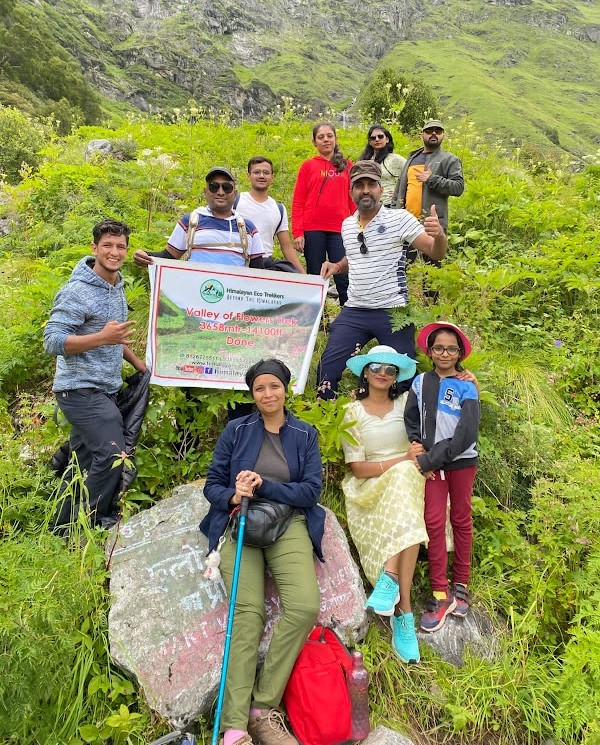
- Today is dedicated to exploring the spectacular Valley of Flowers National Park, a UNESCO World Heritage Site famed for its alpine meadows, rare Himalayan flora, waterfalls, and dramatic mountain scenery.
Begin the trek from Ghangaria after breakfast and follow the well-marked trail into the valley. The route gradually climbs through forests and along glacial streams before opening into vast flower-filled meadows surrounded by snow-clad peaks.
Spend time exploring the valley and enjoying the changing landscapes before trekking back to Ghangaria for the night.
DAY : 4 Trek from Ghangaria (9,800 ft.) to Hemkund Sahib (14,100 ft.) & back to Ghangaria (9,800 ft.)
Trek Details
- Distance: ~12 km round trip
- Trek duration: ~6–8 hrs
- Trail type: Steep stone-paved ascent with continuous elevation gain
Elevation
- Ghangaria: ~9,800 ft (3,000 m)
- Hemkund Sahib: ~14,100 ft (4,300 m)
An early start is recommended today for the steep but rewarding trek from Ghangaria to Hemkund Sahib, one of the world’s highest Sikh pilgrimage sites. The trail climbs sharply through alpine terrain with sweeping views of snow-covered peaks, glaciers, and high-altitude meadows.
Situated beside a pristine glacial lake at around 14,100 ft, Hemkund Sahib is revered for its spiritual significance and breathtaking Himalayan setting. After spending time at the gurudwara and lake, descend back to Ghangaria for the night
DAY : 5 Trek from Ghangaria (9,800 ft.) to Pulna (6,900 ft.) then drive back to Pipalkoti (4,400 ft.) / Joshimath (6,200 ft.)
DAY : 6 Drive from Pipalkoti (4,400 ft.) / Joshimath (6,200 ft.) to Rishikesh (1,200 ft.)
Eco-Friendly Trekking with Himalayan Eco Trekkers
What’s Not Included
- Travel to and from Manali
- Personal trekking gear (trekking shoes, jackets, gloves, etc.)
- Personal expenses (snacks, beverages, tips, phone calls)
- Travel or medical insurance
- Emergency evacuation charges (if required)
- Porter or mule charges (unless pre-booked)
- Any services not specifically mentioned under inclusions
The Himalayas are extremely fragile ecosystems. Responsible tourism is necessary to preserve their beauty. Himalayan Eco Trekkers actively promotes eco-friendly trekking practices.
Their approach includes:
- Reducing plastic waste
- Supporting local communities
- Encouraging responsible trekking
- Maintaining trail cleanliness
- Respecting wildlife habitats
- Sustainable tourism practices
Trekkers are encouraged to leave no waste behind and respect nature throughout the journey.
Trek Essentials
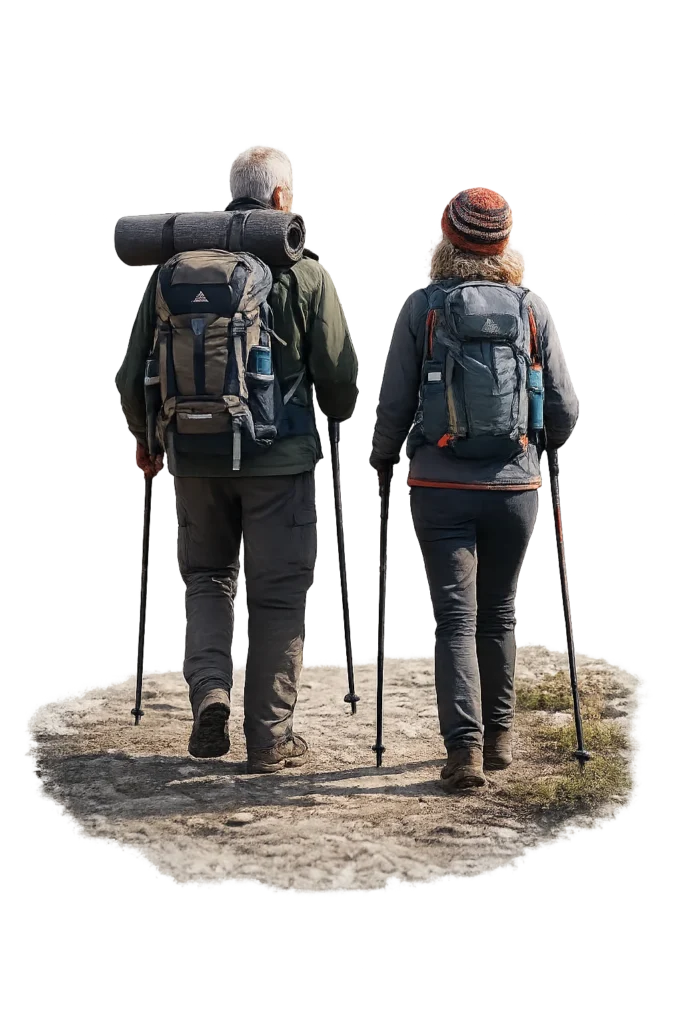
- Warm jacket (down or padded)
- Fleece layer & thermals
- Waterproof jacket / windcheater
- Quick-dry trekking pants
- Extra socks (woolen + cotton)
- Gloves, woolen cap & sun cap
- Good quality trekking shoes with strong grip
- Comfortable slippers for campsite
- Backpack (40–50L)
- Water bottle (1–2 litres)
- Sunglasses (UV protected)
- Sunscreen & lip balm
- Personal medicines
- Headlamp / torch
- Power bank
- Valid ID proof